 SEAL CONNECT
Basic Mechanical Seal Questions Answered
 Q: What is a mechanical seal?
A: A mechanical seal is a precision-engineered device used to contain process fluid within rotating equipment—most commonly pumps, mixers, and agitators—while allowing the shaft to rotate freely. It operates using two flat sealing faces: one rotating with the shaft and one stationary, held together under controlled pressure to form a thin fluid film that prevents leakage and reduces wear.
From SEPCO’s perspective, a mechanical seal is more than a containment solution—it’s a critical reliability component. The right seal selection can significantly reduce water consumption, limit fugitive emissions, and extend equipment life. Learn more about sealing reliability and best practices on the SEPCO Seal Connect.
Q: What is a cartridge seal?
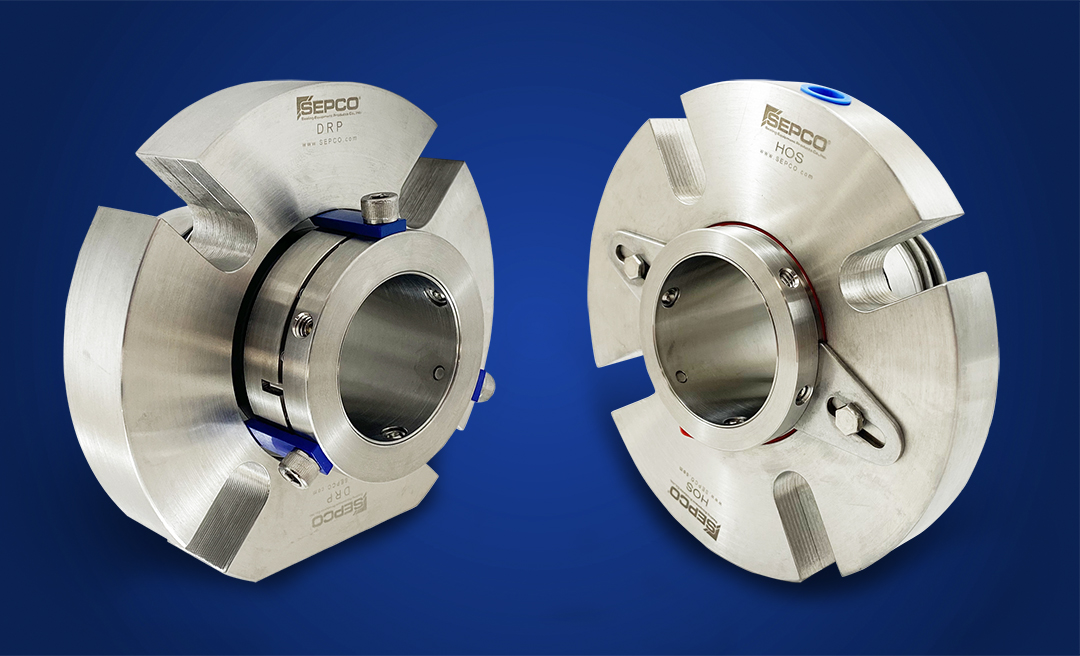
A: A cartridge seal is a pre-assembled, self-contained mechanical seal designed for quick, error-free installation. All key components—seal faces, springs, gland, and hardware—are factory-set, eliminating the need for precise measurements or adjustments in the field.
Originally developed for ANSI centrifugal pumps with adjustable shaft positioning, cartridge seals are now widely used across a range of rotating equipment. At SEPCO, cartridge seals are often recommended for operations focused on uptime and maintenance efficiency. Their plug-and-play design reduces installation errors, shortens downtime, and delivers consistent performance across applications.
Explore SEPCO’s mechanical seal solutions here: Mechanical Seals – SEPCO
Q: What is a component seal?
A: A component seal is a traditional mechanical seal consisting of individual parts that must be assembled and installed directly onto the equipment. These include the rotating face, stationary seat, springs, and secondary sealing elements.
While component seals can offer a lower upfront cost and flexibility for certain configurations, they require precise installation and experienced handling. Improper setup can lead to premature failure or leakage. From SEPCO’s standpoint, component seals remain a viable option for less complex or standardized applications—but they demand careful attention to detail to ensure long-term reliability.
For additional guidance on seal selection and installation, visit:
Hydraulic Institute – Pump Systems Resources
 Q: What is an air seal?
A: An air seal is a non-contact sealing solution that uses a controlled flow of air to create a barrier between the process and the external environment. Unlike traditional mechanical seals that rely on contacting faces, air seals form a circumferential air boundary layer that prevents product leakage and blocks contaminants.
SEPCO’s SAS Air Seal is engineered to handle shaft misalignment, eliminate wear, and drastically reduce maintenance requirements. With no contact, there’s no friction, no heat generation, and virtually no shaft damage. This makes air seals especially effective in applications where traditional seals struggle.
Learn more about this technology:
SAS Air Seal – SEPCO
Q: In what applications are each mechanical seal type best-suited?
A:
- Cartridge Seals: Ideal for pumps and rotating equipment where reliability, ease of installation, and reduced maintenance time are critical. Commonly used in chemical processing, water and wastewater, oil & gas, and power generation. Best suited for operations prioritizing uptime and repeatability.
- Component Seals: Best for simpler or legacy equipment where cost sensitivity is a factor and skilled installation is available. Suitable for less demanding services or standardized applications.
- Air Seals: Designed specifically for powder, bulk solids, and dry processing environments—such as mixers, blenders, screw conveyors, and dryers. These applications often involve abrasion, product buildup, and misalignment—conditions where traditional seals fail. Air seals eliminate contact, prevent leakage, and maintain clean, efficient operation with minimal maintenance.
From SEPCO’s perspective, seal selection isn’t just about fit—it’s about engineering the right solution for the application. When properly matched, the right sealing technology reduces total cost of ownership, improves equipment reliability, and keeps operations running longer with fewer interruptions.
 Find Your Sealing Solution