 SEAL CONNECT
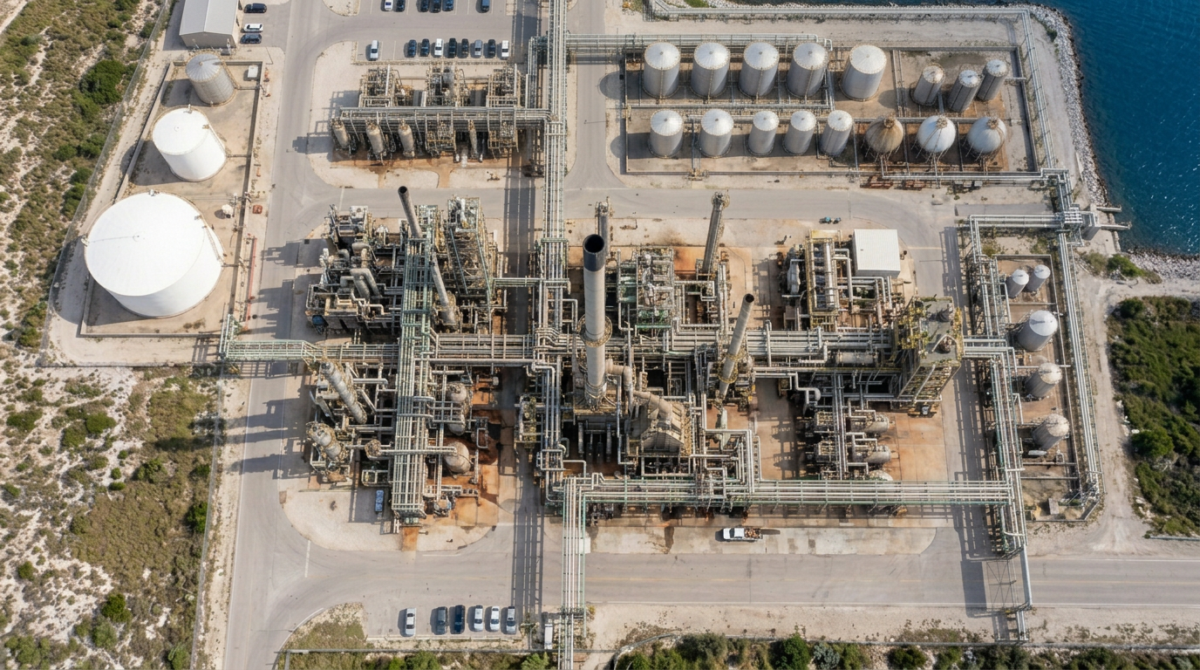
Reactor Mechanical Seal Upgrade Cuts a Texas Chemical Plant’s Seal Costs from $30,000 to Under $3,000 a Month
Failing mechanical seals on the main reactors of a Texas specialty chemicals plant were costing about $30,000 a month in lost product and repairs, plus 15 hours of unscheduled downtime. After SEPCO replaced them with high-temperature, chemical-resistant mechanical seals and retrained the maintenance crew, seal-related costs fell to under $3,000 a month, and the plant logged no unscheduled seal downtime in the first three months.
| Before | After (first three months) | |
|---|---|---|
| Unscheduled downtime | 15 hours/month | None |
| Product lost to leaks and contamination | About $20,000/month | Under $1,000/month |
| Seal repairs, parts, and labor | About $10,000/month | About $2,000/month |
| Total seal-related cost | About $30,000/month | Under $3,000/month |
The problem
The plant has made specialty chemicals for the pharmaceutical and agricultural markets since 1990. As production rates climbed, the seals on its main reactors started failing on a regular cycle. The reactors run above 200 °C (392 °F) on corrosive chemical mixtures.
Every failure cost the plant three ways: product lost to leakage and contamination, repair labor and parts, and hours of unplanned downtime while the line sat. Leaks of hazardous process fluid also put operators at risk and created a compliance problem.
What the audit found
SEPCO ran an on-site equipment survey of the reactor seals. The existing seals weren’t built for the service: their materials couldn’t take the combination of temperature, chemical attack, and abrasive wear.
At over 200 °C, elastomer selection decides seal life. Standard FKM is near its limit at that temperature, so the secondary seals need a material rated with margin for both the heat and the chemistry.
What changed
- New seals on every critical reactor, built for the temperature and the chemistry. The swap was done during a planned weekend shutdown, so it cost no production time.
- Training. SEPCO ran a two-day hands-on workshop for 15 maintenance staff covering seal selection, installation, and troubleshooting.
- A regular inspection schedule. The plant now inspects the reactor seals on a fixed interval to catch wear before it becomes a leak.
Results
In the first three months after the upgrade:
- No unscheduled seal downtime, against 15 hours a month before.
- Product losses down 95%, from about $20,000 a month to under $1,000.
- Seal maintenance costs down 80%, from about $10,000 a month to about $2,000.
That’s a saving of at least $27,000 a month. Held for a year, it comes to about $324,000 in reduced product loss and maintenance cost, plus 180 hours of production time the plant no longer loses to seal failures.
The plant also has fewer hazardous leaks for operators to deal with and a maintenance crew that now catches seal wear on inspection instead of on failure.
Seal failures costing you production?
If mechanical seals on your reactors, agitators, or pumps are failing on a cycle, SEPCO can survey the application and tell you what’s actually killing them. For the basics of what keeps seal faces closed under heat and pressure, read Seal Chamber Pressure and Balance Ratio. To set up a survey, call SEPCO at 205.403.7500.
 Find Your Sealing Solution